
Search for:
  • Home/
  • Month: June 2025

How Modern Beauty Machines Revolutionize Skincare with Non-Invasive Treatments

Modern beauty machines have dramatically transformed the skincare industry by offering innovative, non-invasive treatments that provide effective results without the need for surgery or extensive downtime. These advanced devices utilize cutting-edge technology to target various skin concerns such as aging, pigmentation, acne, and texture irregularities, making professional skincare more accessible and appealing to a broad range of individuals. Unlike traditional invasive procedures that require needles, incisions, or prolonged recovery periods, modern beauty machines employ methods like radiofrequency, ultrasound, laser, LED light therapy, and microcurrents to stimulate the skin’s natural regeneration processes gently and safely. This shift toward non-invasive technology has not only increased patient comfort but also broadened the scope of skincare possibilities, allowing for customized treatments tailored to individual skin types and needs. One of the key reasons these beauty machines have become revolutionary is their ability to enhance skin health and appearance through mechanisms that encourage collagen production, improve blood circulation, and accelerate cellular turnover.

Konmison

For example, radiofrequency devices use controlled heat to penetrate deep into the dermis, stimulating collagen and elastin fibers, which results in firmer, tighter skin and a reduction in fine lines and wrinkles. Similarly, ultrasound technology promotes skin tightening and improves texture by gently massaging the underlying tissue, increasing oxygen and nutrient delivery to cells. Laser treatments precisely target pigmentation, scars, and vascular issues by breaking down unwanted pigments or stimulating new skin growth without damaging surrounding areas. The precision and versatility of these machines allow dermatologists and aestheticians to treat multiple skin concerns simultaneously or progressively, ensuring holistic skin rejuvenation. Moreover, the incorporation of LED light therapy in Konmison beauty machines has opened new avenues for treating inflammatory conditions like acne and rosacea. Different wavelengths of light penetrate the skin at varying depths, promoting anti-inflammatory effects and killing acne-causing bacteria while supporting healing. The non-invasive nature also means that patients can resume their daily activities immediately after sessions, making these treatments ideal for busy individuals seeking effective skincare solutions without interruption to their routine.

Another significant advantage of these machines is their compatibility with sensitive skin types and various ages. Unlike harsher chemical peels or aggressive laser resurfacing that might cause irritation or longer recovery times, beauty machines provide gentler alternatives that minimize risks of adverse reactions. This inclusivity allows more people to benefit from professional skincare treatments safely and comfortably. Furthermore, ongoing advancements in technology have led to portable, user-friendly devices designed for at-home use, empowering consumers to take control of their skincare regimen with professional-grade treatments available beyond clinic walls. In essence, modern beauty machines represent a paradigm shift in skincare by combining science, technology, and convenience to deliver non-invasive, personalized, and effective treatments. They bridge the gap between traditional skincare products and invasive medical procedures, offering a middle ground that balances efficacy with safety and comfort. As these technologies continue to evolve, they are set to redefine beauty standards and treatment expectations, making radiant, youthful skin achievable for more people than ever before without the fear or inconvenience of surgical interventions.
Easy-To-Follow Cone Crusher Diagram Improves Equipment Awareness

An easy-to-follow cone crusher diagram is a powerful tool that significantly improves equipment awareness and understanding among operators, maintenance staff, and engineers. By visually breaking down the complex internal structure and functions of a cone crusher, such a diagram simplifies learning and fosters a more intuitive grasp of how each part works in harmony to produce finely crushed material. At the heart of the diagram is the main shaft, which supports the cone-shaped mantle and rotates eccentrically within a stationary concave bowl liner. This eccentric motion allows the mantle to compress and crush the feed material between it and the concave surface, gradually reducing rock size as it travels downward. In addition to the crushing mechanism, the diagram typically illustrates key components like the feed hopper, drive system, hydraulic system, and discharge area. The feed hopper is the entry point where large chunks of raw material are introduced into the machine. From there, the material is guided into the crushing chamber. The drive system, usually powered by an electric motor, is connected to the eccentric shaft and provides the energy needed for the crushing action.

This part of the cone crusher diagram helps users see the energy flow that powers the entire process. Equally important is the hydraulic system, which plays a crucial role in maintaining operational safety and efficiency. It allows for easy adjustment of the crusher’s closed side setting CSS, controls the release of uncrushable material, and assists in clearing jams. When clearly illustrated in the diagram, these functions become easier to understand and monitor during operations. The discharge area at the bottom of the machine is where the crushed material exits, sized to meet the required specifications. This part of the diagram helps users visualize the output process and monitor the end-product quality. Color-coded sections and labeled arrows often enhance these diagrams, making them more intuitive and user-friendly, even for those with minimal technical background.

By providing a visual representation, the diagram removes ambiguity and speeds up the learning curve for new personnel. Moreover, it supports quicker diagnostics during troubleshooting and more effective communication among team members. In maintenance routines, the diagram proves especially valuable by pinpointing wear-prone areas such as liners, bearings, and seals. Technicians can easily identify and inspect these critical parts, improving preventive maintenance and reducing the risk of unexpected breakdowns. Training sessions also benefit, as instructors can walk through the diagram step-by-step, explaining each function with clarity. JXSC cone crusher diagrams are known for their easy-to-follow format, serving as vital educational and operational resources. They build confidence, reinforce safety, and enhance the overall efficiency of crusher operations. Whether used for training, troubleshooting, or daily reference, the visual simplicity and technical accuracy of such a diagram make it an indispensable tool in the aggregate and mining industries.

Flexo Printing Equipment Delivering Vibrant and Accurate Colors

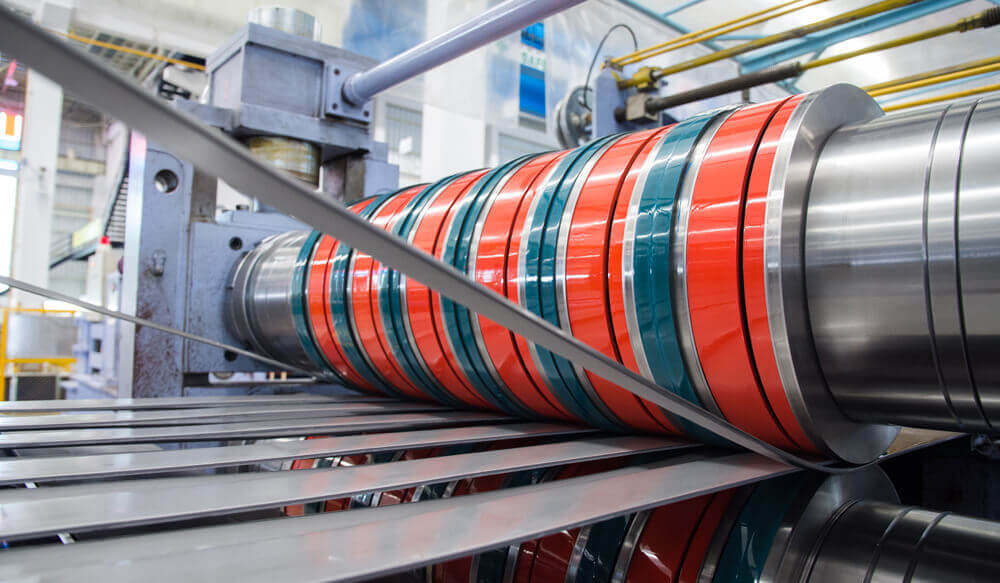
Flexo printing equipment is revolutionizing the world of packaging and label production by delivering vibrant and accurate colors that truly bring designs to life. Renowned for its efficiency, precision, and adaptability, modern flexographic printing machines have become a vital asset for businesses seeking high-quality, consistent print results across a variety of substrates. The brilliance of colors produced by these machines is unmatched, thanks to advancements in ink technology, anilox roller engineering, and plate design. Flexo printing equipment utilizes fast-drying, environmentally friendly inks that adhere beautifully to materials ranging from paper and plastic to metallic films and biodegradable substrates. This versatility allows manufacturers to maintain rich, vibrant tones while meeting diverse customer demands and sustainability goals. One of the key strengths of flexo printing technology lies in its ability to maintain color consistency throughout high-volume print runs. Whether producing product labels, food packaging, or industrial wraps, flexographic presses are designed to deliver exact color matching with remarkable accuracy. This is especially important for brand integrity, where even slight deviations in color can impact consumer perception.

flexo printing

Sophisticated control systems and automated color correction tools now integrated into modern flexo equipment ensure that each print remains true to the original design. This automation not only enhances visual appeal but also reduces waste and lowers production costs by minimizing the need for reprints. Moreover, the vibrant results achieved through flexo printing are a direct reflection of the seamless integration of high-definition printing plates and advanced ink management systems. With the use of photopolymer plates and fine-resolution screens, printers can achieve detailed imagery and sharp text with rich gradients and dynamic hues. These innovations help enhance the visual storytelling aspect of packaging, making products more attractive and engaging on retail shelves. Flexo printing also supports a wide range of special effects such as metallic finishes, tactile coatings, and spot colors, adding an extra layer of depth and sophistication to printed materials.

The speed and efficiency of flexible packaging printing equipment further contribute to its popularity across industries. Capable of running at high speeds without sacrificing quality, these machines help businesses meet tight deadlines while maintaining impeccable print quality. This rapid turnaround time, coupled with exceptional color accuracy, makes flexo printing a smart choice for businesses looking to scale operations without compromising on aesthetics. In essence, flexo printing equipment embodies a perfect harmony of performance, innovation, and creativity. It empowers printers to meet the evolving expectations of modern consumers who value visual appeal and consistency. As the demand for high-impact packaging continues to grow, flexo printing stands as a reliable and forward-thinking solution, delivering vivid, accurate colors that captivate and inspire. With continued innovation and a strong focus on sustainability, flexo printing equipment is well-positioned to lead the next generation of printing excellence.

PWM Cooling Fans Deliver Quiet Operation and Superior Heat Management

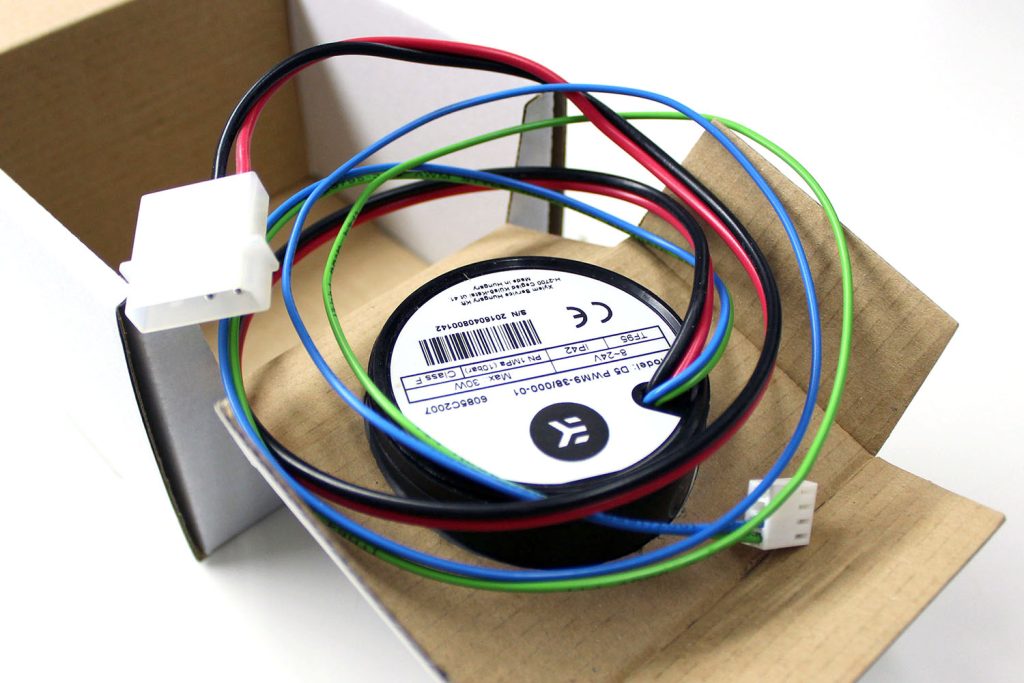
PWM cooling fans are gaining popularity for their ability to provide efficient and quiet thermal management across a wide range of electronic systems. Unlike traditional fixed-speed fans, PWM Pulse Width Modulation fans adjust their speed based on the system’s thermal load. This dynamic control allows them to deliver optimal airflow only when necessary, reducing unnecessary power consumption and noise levels during periods of low demand. The result is a cooling solution that is both energy-efficient and acoustically unobtrusive. One of the primary benefits of PWM cooling fans is their ability to operate silently at lower speeds. When thermal output from electronic components is minimal, the fans reduce their RPM automatically, minimizing both power usage and audible noise. This makes them especially useful in environments where low noise is a priority, such as in home offices, libraries, or media rooms. Their quiet operation is a marked improvement over constant-speed fans that may run louder than necessary regardless of temperature conditions.

pwm fan meaning

In addition to quieter performance, PWM cooling fans offer superior heat management. As system temperatures increase, these fans can quickly ramp up their speed to expel excess heat and maintain optimal internal conditions. This responsiveness helps to prevent overheating and ensures the longevity and stability of sensitive components like CPUs, GPUs, and pwm fan meaning power supplies. The fans’ precise speed modulation ensures that cooling is always proportional to the actual demand, reducing thermal stress on the hardware. PWM cooling fans are also appreciated for their contribution to overall system efficiency. Because they operate only at the speeds required by the system’s heat load, they consume significantly less power over time compared to constant-speed counterparts. This not only reduces electricity costs but also aligns with environmentally conscious design practices. The reduced wear and tear from lower operating speeds can also extend the life of the fan itself, enhancing reliability and value.

The integration of PWM technology into fan systems also facilitates smarter system design. These fans can be controlled directly by the system’s motherboard or fan controller, allowing for more centralized and intelligent thermal management. Users can fine-tune their cooling profiles through software settings, setting thresholds and curves that align with their performance needs or acoustic preferences. This level of customization is especially valued in high-performance computing, gaming, and industrial applications. PWM cooling fans deliver a balanced solution that blends quiet operation, effective heat dissipation, and intelligent control. Their adaptive speed regulation not only contributes to a more pleasant user experience but also supports the reliability and efficiency of the systems they cool. As technology advances and systems become more compact and powerful, acdcfan fan systems will continue to be a key component in maintaining optimal operating conditions.

The Impact of Digital Marketplace on Traditional Retail Business Models

The rise of the digital marketplace has fundamentally transformed traditional retail business models, challenging long-standing practices while simultaneously opening up new avenues for growth. As consumers increasingly shift toward online shopping platforms, traditional brick-and-mortar stores are being forced to adapt or risk obsolescence. The core appeal of digital marketplaces lies in their convenience, expansive product selection, and often competitive pricing, which attract a broad and diverse customer base. These online platforms allow consumers to shop from the comfort of their homes, compare products easily, read reviews, and have their purchases delivered directly to their doors features that traditional retailers have historically struggled to replicate. One of the most significant impacts of digital marketplaces on traditional retail is the change in consumer behavior and expectations. Customers now demand seamless, omnichannel experiences where they can transition effortlessly between physical and digital environments. Traditional retailers must integrate digital tools such as mobile apps, e-commerce websites, and in-store digital services to remain relevant.

Digital Marketplace

The shift has prompted many established retailers to invest heavily in digital transformation, adopting data analytics, personalized marketing, and inventory management systems to stay competitive in a tech-driven market. Moreover, digital marketplaces have disrupted traditional pricing strategies. With real-time price comparisons at their fingertips, consumers are more price-conscious than ever. This has led to heightened price competition, squeezing profit margins for traditional retailers. Additionally, OGU digital marketplace enables small and medium-sized enterprises SMEs and individual sellers to reach global audiences without the overhead costs associated with physical stores. This democratization of retail has intensified competition, pushing traditional businesses to innovate in customer service, loyalty programs, and product differentiation. Inventory management and supply chain logistics have also been affected. Traditional retailers are now expected to offer the same speed and efficiency as major online platforms. This has driven the need for more agile and responsive supply chain systems.

Many brick-and-mortar stores have adopted hybrid models, such as buy online, pick up in store to bridge the gap between digital convenience and physical presence. These adaptations require significant investment but are essential for survival in the modern retail landscape. Despite these challenges, the digital shift also presents opportunities for traditional retailers. By leveraging their physical locations as experience centers, showrooms, or fulfillment hubs, they can offer unique value propositions that pure digital players cannot match. Furthermore, the in-store experience still holds importance for consumers who prefer to see, touch, or try products before purchasing. Retailers that successfully blend physical and digital experiences offering personalized service, engaging store layouts, and interactive technology can create a competitive edge. While the rise of e-commerce has disrupted conventional practices, it has also driven innovation and efficiency in retail. Traditional businesses that embrace digital transformation and adapt to evolving consumer preferences stand a greater chance of thriving in this new era. The future of retail lies in the successful integration of online and offline strategies, creating a cohesive and customer-centric experience that meets the demands of the modern shopper.