Search for:
  • Home/
  • Month: July 2025

Is It Smarter to Buy or Lease Construction Equipment for Your Next Project?

Stuck deciding whether to buy or lease that excavator, bulldozer, or crane for your next big job? You are not alone. This is one of those questions that does not have a one-size-fits-all answer because the right move really depends on your project, your finances, and how you like to run your business. Let’s break it down together and figure out what makes the most sense for you.

The Money Side: Buying vs. Leasing

Before you sign anything, it is smart to look at the dollars and cents. Here is what you need to know:

Buying:

  • Big upfront cost unless you finance, but even then, there is a chunk due right away
  • You own the equipment meaning you can claim depreciation on your taxes, which is nice
  • If you use it a lot, you might save money over time
  • Resale value is yours for better or worse
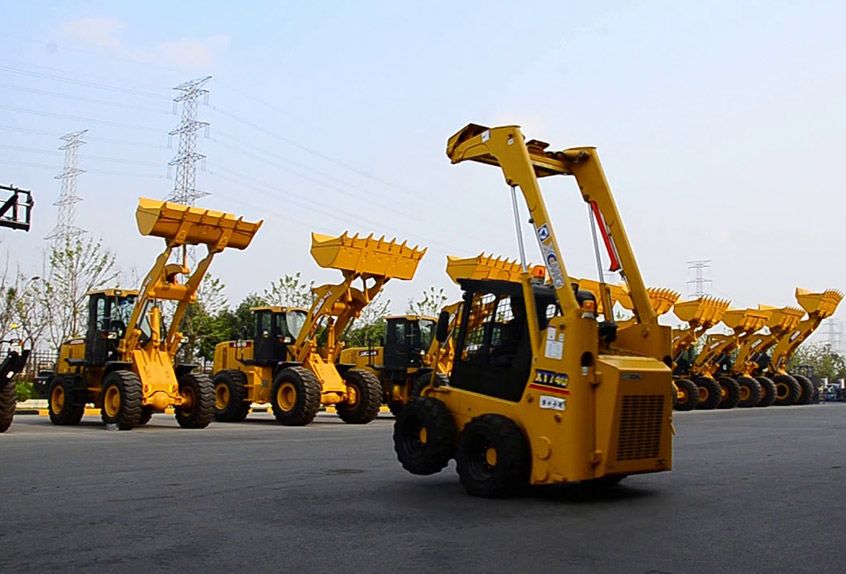
Construction Equipment

Leasing:

  • Lower upfront payments your cash flow stays healthier
  • Payments are spread out, making budgeting easier
  • Usually, you can deduct payments as a business expense check with your accountant!
  • You typically do not get the depreciation benefit

Bottom line:

Think about your cash flow, your tax situation, and how long you will actually need this equipment. Sometimes leasing is best for short-term jobs, while buying can pay off if you will use the equipment for years. If you are considering your options, you might want to check out machinery sales in Melbourne to compare what is available.

How Often Will You Use It?

Ask yourself:

  • Will this machine be working on job after job, year after year?
  • Or do you just need it for a one-off project or a short burst of work?

If you will use it all the time:

Buying might be better. You will get the most out of your investment, and you will not have to worry about renewal fees or return dates.

If it is a rare need:

Leasing or even renting could save you a ton. Why tie up money in equipment that sits idle?

Upfront vs. Ongoing Payments

Here is what usually happens:

Buying:

You pay a lot up front sometimes all at once, sometimes with a down payment and financing. That can strain your budget, but after you have paid it off, you own it outright.

Leasing:

You get to spread the cost over months or years. Initial payments are way lower. Great for preserving cash, but make sure you understand the total you will pay over the lease.

Tip:

Always check for hidden fees with leases some contracts get sneaky with overage or return charges.

Maintenance: Who’s Responsible?

Let’s be honest construction equipment is not cheap to maintain.

  • If you buy: You are on the hook for all repairs and upkeep. That means budgeting for regular maintenance, surprise breakdowns, and maybe downtime if something major needs fixing.
  • If you lease: Maintenance is often included or at least partially covered in the lease. That means fewer surprise expenses and less hassle for you but always check the fine print on what is included.

Quick checklist:

  • Who pays for repairs?
  • Does the lease include routine maintenance?
  • What about major breakdowns?

Flexibility and Scaling Up or Down

Projects change. Sometimes you need more gear, sometimes less.

  • Leasing: Super flexible. You can upgrade, swap, or add equipment as your needs change. Perfect for fast-growing companies or jobs with changing requirements.
  • Buying: Less flexible. Once you own something, you are stuck with it unless you sell or trade it.

If your workload fluctuates or you like having the latest tech, leasing is a winner.

Tax Perks and Deductions

Do not overlook the tax angle!

  • Leasing: Lease payments are usually fully deductible as business expenses, helping you reduce taxable income right away.
  • Buying: You can claim depreciation, which spreads the deduction out over several years. Sometimes, you might also qualify for bonus depreciation or Section 179 expensing talk to your tax pro.

Both have perks pick the one that fits your business strategy.

Cash Flow and Budget Planning

Cash is king in construction.

  • Leasing: Keeps more cash in your business for other needs. Predictable payments make budgeting easier.
  • Buying: Ties up a lot of cash early on, which can be tough if you have other costs to juggle. But no more payments once it is paid off except for maintenance.

If you want to keep your cash reserves healthy, leasing is usually the safer bet.

Long-Term Value & Resale

Think about the future:

  • Buying: Equipment is an asset, but it loses value over time depreciation. If you maintain it well, you can sell it down the road and recoup some costs.
  • Leasing: No worries about resale you just return the equipment at the end of the term and move on.

If you are good at maintaining and selling gear, buying can pay off. If you hate haggling or worrying about resale values, leasing is simpler.

So…Should You Buy or Lease?

Here is a quick cheat sheet:

Buy if you:

  • Use the equipment all the time
  • Want to build up assets
  • Like the idea of eventual resale value
  • Are comfortable handling maintenance and repairs

Lease if you:

  • Only need equipment for a short time
  • Want to keep your cash flow flexible
  • Prefer predictable monthly payments
  • Value flexibility and easy upgrades

Final tip:

Talk to your accountant or financial advisor before making a decision. They will help you crunch the numbers for your unique situation!

Bottom line?

There is no right answer for everyone. Weigh the pros and cons, look at your project needs, and make the choice that helps your business run smoother and more profitably. Good luck with your next big project!
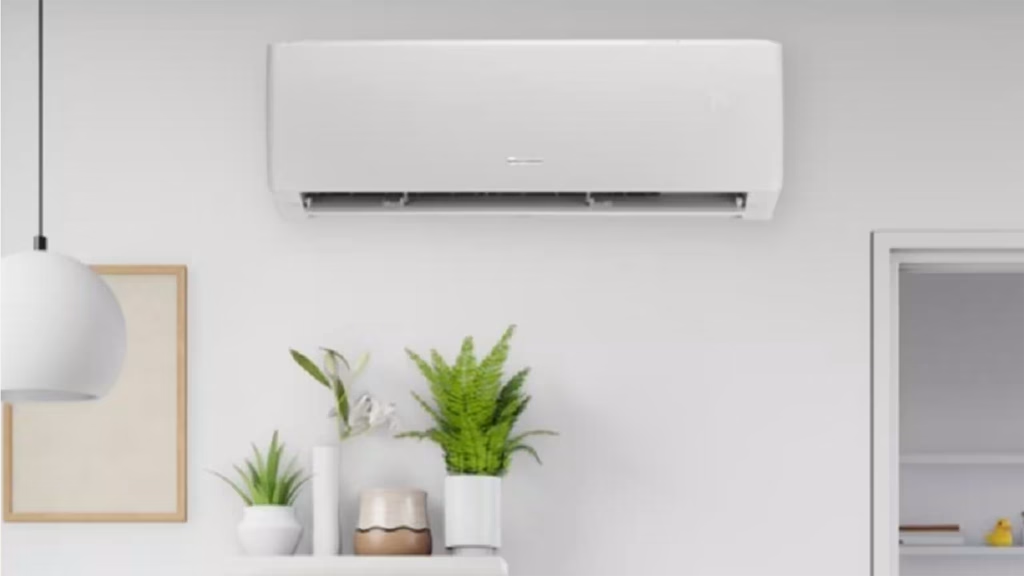

Why Mini Split AC Systems Are the Smart Choice for Comfortable, Cost-Effective Living

Mini split air conditioning AC systems have become a popular choice for homeowners looking to improve indoor comfort without breaking the bank. These systems offer a unique blend of efficiency, convenience, and affordability that suits a variety of living spaces. Unlike traditional central air conditioners, mini split systems do not require extensive ductwork, making installation simpler and less disruptive. Their design allows for precise temperature control in individual rooms, which leads to energy savings and personalized comfort.

What Makes Mini Split AC Systems a Smart Choice?

Energy Efficiency

Mini split AC systems use inverter technology that adjusts the compressor speed to match the cooling demand. This results in:

  • Lower energy consumption compared to conventional systems
  • Reduced electricity bills
  • Environmentally friendly operation

Easy Installation

Unlike central AC units, mini splits require no ductwork, which means:

mini split ac

  • Faster and less expensive installation
  • Ideal for older homes without existing ducts
  • Less damage to walls and ceilings during setup

Zoned Cooling for Personalized Comfort

The mini split ac allows you to control temperatures in individual rooms independently, offering:

  • Customized comfort for each space
  • Ability to turn off cooling in unused rooms, saving energy
  • Enhanced control over home climate

Quiet Operation

These systems are designed to operate quietly, ensuring:

  • Peaceful indoor environments
  • Better sleep and concentration without noise disturbances

Compact and Space-Saving Design

The indoor units of mini split systems are sleek and wall-mounted, providing:

  • More floor space compared to bulky window units or central air vents
  • Attractive addition to room interiors

Cost-Effective Maintenance

Mini splits are generally easy to maintain, offering:

  • Simple cleaning of filters
  • Less frequent servicing needs
  • Longer system lifespan with proper care

The Benefits of Mini Split AC

  • Lower Energy Costs: Inverter technology optimizes power use
  • Flexible Installation: No need for ducts, suitable for various building types
  • Room-by-Room Control: Energy saved by cooling only occupied spaces
  • Quiet Operation: Comfortable indoor environment without noise
  • Space Efficient: Compact units free up valuable room space
  • Low Maintenance: Easy filter cleaning and reduced service frequency

Choosing a mini split AC system means investing in a cooling solution that combines comfort, efficiency, and cost savings. Its energy-efficient operation and zoned cooling allow you to enjoy the ideal temperature in every room while reducing your utility bills. Installation is hassle-free and less invasive, especially in homes lacking ductwork. Plus, the quiet and compact design enhances the living experience without sacrificing style or space. For those seeking a smart, modern approach to indoor cooling, mini split AC systems provide an effective and affordable option.

Trusted Chiropractic Alignment Restores Natural Balance and Body Harmony

Maintaining the body’s natural balance is essential for everyday comfort and long-term wellness. Chiropractic alignment plays a key role in achieving this balance by focusing on the spine and its connection to the entire nervous system. Misalignments in the spine can disrupt the body’s functions, leading to discomfort, poor posture, and reduced energy. Through gentle, hands-on adjustments, chiropractic care helps restore alignment, improve movement, and support the body’s natural healing processes. This article explains how chiropractic alignment contributes to body harmony and outlines the key benefits of this safe and effective treatment.

Chiropractic alignment is based on the idea that the body functions best when the spine is properly aligned. When vertebrae shift out of place known as subluxations they may compress nerves, restrict movement, and cause pain or stiffness. A chiropractor uses precise manual techniques to bring the spine back into alignment, allowing the nervous system to work without interference.

Key benefits include:

  • Improved posture and spinal balance
  • Enhanced nerve communication between the brain and body
  • Reduced joint and muscle tension
  • Better range of motion and flexibility

Benefits of Restoring Body Balance

When the spine is in alignment, the rest of the body functions more smoothly. Organs and muscles respond better, and daily tasks become easier and more comfortable. Many people notice an improvement in their overall physical and mental well-being.

physiotherapy & chiropractic

Advantages of a well-aligned body:

  • Natural pain relief without medication
  • Fewer headaches and reduced neck tension
  • Better digestion and immune support
  • Increased energy and focus throughout the day

Who Can Benefit from Chiropractic Alignment

Chiropractic care is safe and suitable for all age groups. Whether it is a working adult, a growing child, or a senior managing joint stiffness, spinal alignment helps reduce discomfort and supports active living.

Common reasons people seek alignment:

  • Back pain or neck strain
  • Poor posture from sitting long hours
  • Recovery after minor injuries
  • Maintaining balance and mobility with age

A Holistic Approach to Wellness

Chiropractic alignment is not just about fixing pain it supports the body’s natural ability to heal. Many people pair it with stretching, exercise, and healthy habits to maintain long-term results of chiropractic alignment kl. It is a non-invasive approach that respects how the body works and aims to improve how it feels, moves, and performs.

Key takeaways:

  • Restores balance and harmony naturally
  • Encourages healing without harsh treatments
  • Supports a healthy, pain-free lifestyle
  • Improves overall body coordination

Chiropractic alignment is a gentle and effective way to help the body find its natural rhythm again. By correcting spinal misalignments, it relieves discomfort, boosts energy, and promotes whole-body harmony. It is a powerful option for anyone seeking lasting wellness without relying on medication or surgery. Through regular care, people can enjoy improved mobility, comfort, and a more balanced life.

Elevate Green Standards with A Smarter Can Packaging Machine System

Sustainability in packaging is a priority for businesses aiming to reduce their environmental impact. A smarter can packaging machine system offers an efficient and eco-friendly way to meet green standards while maintaining high productivity. These advanced machines optimize the packaging process, reduce waste, and promote resource efficiency. By integrating intelligent technology, companies can minimize energy use, improve material handling, and enhance overall sustainability. Switching to a smarter can packaging system supports a greener future and positions businesses as responsible leaders in eco-conscious manufacturing.

What Makes a Can Packaging Machine Smarter?

A smarter can packaging machine system includes features that improve efficiency and reduce environmental impact through automation and intelligent controls:

  • Energy Efficiency: Uses less power compared to traditional machines, lowering carbon footprint.
  • Reduced Material Waste: Optimizes packaging size and quantity, minimizing excess material use.
  • Advanced Sensors: Detect errors or jams early, reducing downtime and waste.
  • Automation: Speeds up packaging while ensuring consistent quality and reducing human error.
  • Remote Monitoring: Allows real-time performance tracking to ensure smooth operation and timely maintenance.

can packing machine

Benefits of Smarter Can Packaging Systems

Adopting a smarter can packaging machine system can bring clear advantages that align with green business goals:

  • Lower Energy Consumption: Efficient motors and controls cut down electricity use.
  • Less Packaging Waste: Precision packing means fewer damaged or excess products.
  • Improved Speed and Accuracy: Faster throughput without sacrificing quality.
  • Enhanced Worker Safety: Automated systems reduce manual labor and risk of injury.
  • Cost Savings: Energy and material savings translate to lower operating costs.

How Smarter Packaging Machines Support Sustainability

Packaging waste and excessive energy use are major environmental concerns in manufacturing. Smarter can packaging machines tackle these issues directly:

  • Use of Recyclable Materials: Machines can be designed to handle eco-friendly cans that are easier to recycle.
  • Optimized Packaging Design: Machine precision reduces excess packaging material.
  • Energy Saving Modes: Standby and low-power options reduce idle energy consumption.
  • Waste Reduction: Early detection systems prevent jams that cause product loss or damage.

Key Features to Look for When Choosing a System

Selecting the right can packaging machine means prioritizing both productivity and green goals. Consider these features:

  • Intelligent Control Systems: For precise handling and minimal waste.
  • Energy Efficient Motors: To reduce electricity use.
  • User-Friendly Interface: For easy operation and troubleshooting.
  • Flexible Packaging Options: Ability to work with different can sizes and materials.
  • Maintenance Alerts: To keep the system running efficiently.

Real-World Impact of Smarter Can Packaging

Businesses using smarter can packaging systems report significant improvements in both sustainability and efficiency. For example:

  • Reduced packaging material waste by up to 30%
  • Lower energy bills by 20% through optimized machine operation
  • Improved product quality with fewer defects and returns
  • Enhanced reputation as eco-friendly companies among customers and partners

A smarter can packaging machine system is a practical solution for companies seeking to elevate their green standards. Levapack has become a trusted name for manufacturers seeking speed, accuracy, and efficiency in automated can packaging solutions. It combines technology with eco-conscious design to reduce waste, save energy, and improve operational efficiency. By investing in smarter packaging solutions, businesses not only protect the environment but also gain a competitive edge in a market that values sustainability. Making packaging smarter is a clear step forward in building a cleaner, greener future.