
PWM Cooling Fans Deliver Quiet Operation and Superior Heat Management
PWM cooling fans are gaining popularity for their ability to provide efficient and quiet thermal management across a wide range of electronic systems. Unlike traditional fixed-speed fans, PWM Pulse Width Modulation fans adjust their speed based on the system’s thermal load. This dynamic control allows them to deliver optimal airflow only when necessary, reducing unnecessary power consumption and noise levels during periods of low demand. The result is a cooling solution that is both energy-efficient and acoustically unobtrusive. One of the primary benefits of PWM cooling fans is their ability to operate silently at lower speeds. When thermal output from electronic components is minimal, the fans reduce their RPM automatically, minimizing both power usage and audible noise. This makes them especially useful in environments where low noise is a priority, such as in home offices, libraries, or media rooms. Their quiet operation is a marked improvement over constant-speed fans that may run louder than necessary regardless of temperature conditions.
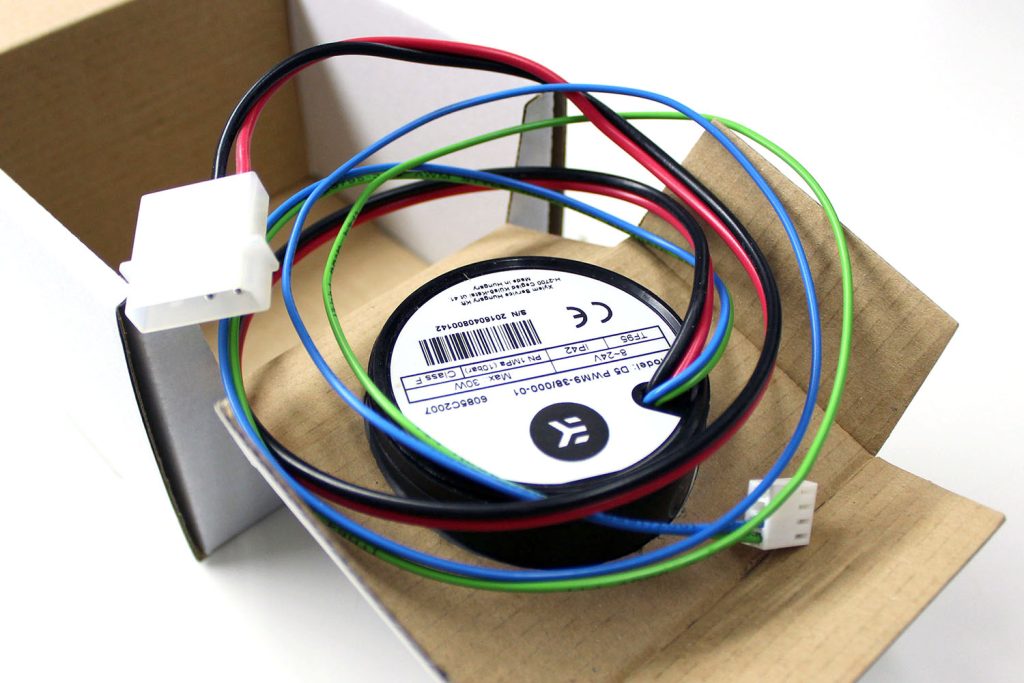
In addition to quieter performance, PWM cooling fans offer superior heat management. As system temperatures increase, these fans can quickly ramp up their speed to expel excess heat and maintain optimal internal conditions. This responsiveness helps to prevent overheating and ensures the longevity and stability of sensitive components like CPUs, GPUs, and pwm fan meaning power supplies. The fans’ precise speed modulation ensures that cooling is always proportional to the actual demand, reducing thermal stress on the hardware. PWM cooling fans are also appreciated for their contribution to overall system efficiency. Because they operate only at the speeds required by the system’s heat load, they consume significantly less power over time compared to constant-speed counterparts. This not only reduces electricity costs but also aligns with environmentally conscious design practices. The reduced wear and tear from lower operating speeds can also extend the life of the fan itself, enhancing reliability and value.
The integration of PWM technology into fan systems also facilitates smarter system design. These fans can be controlled directly by the system’s motherboard or fan controller, allowing for more centralized and intelligent thermal management. Users can fine-tune their cooling profiles through software settings, setting thresholds and curves that align with their performance needs or acoustic preferences. This level of customization is especially valued in high-performance computing, gaming, and industrial applications. PWM cooling fans deliver a balanced solution that blends quiet operation, effective heat dissipation, and intelligent control. Their adaptive speed regulation not only contributes to a more pleasant user experience but also supports the reliability and efficiency of the systems they cool. As technology advances and systems become more compact and powerful, acdcfan fan systems will continue to be a key component in maintaining optimal operating conditions.
