
Search for:
  • Home/
  • Month: April 2026

Heavy Duty Square Body Chevy Parts Built For Performance

Heavy-duty square body vehicles are legendary for their rugged durability and exceptional performance. With precision-engineered parts designed for strength and reliability, these components elevate both utility and driving experience, ensuring drivers can tackle demanding tasks with confidence. Bringing vintage pickups back to life is achievable with carefully selected square body truck parts that offer durability, style, and long-term reliability.

Strength and Durability at the Core

  • Reinforced Frame Components: Engineered for maximum toughness, these parts handle extreme loads without compromising stability or safety.
  • High-Quality Suspension Systems: Advanced suspension parts absorb shocks and vibrations, delivering a smoother ride even on challenging terrains.
  • Durable Drivetrain Elements: From axles to differential components, every part is built to withstand intense usage while maintaining peak performance.

Optimized Performance for Every Drive

  • Enhanced Engine Components: Heavy-duty parts improve airflow, cooling, and overall engine efficiency, boosting both power and longevity.
  • Precision Transmission Parts: Optimized gears and clutch assemblies ensure smooth shifting, responsive acceleration, and better control under heavy loads.
  • Upgraded Braking Systems: High-performance brake components provide consistent stopping power, enhancing safety and confidence in every driving situation.

Versatility Meets Reliability

  • Adaptable for Towing and Hauling: Reinforced parts are designed to support high towing capacities, making them ideal for work or recreational tasks.
  • Long-Lasting Materials: Crafted from premium alloys and treated for corrosion resistance, these components deliver years of dependable service.
  • All-Terrain Ready: Heavy-duty parts maintain performance across varied conditions, whether navigating rugged landscapes or paved roads.

Enhancing the Driving Experience

  • Responsive Handling: Upgraded steering components improve maneuverability, giving drivers precise control on tight or uneven paths.
  • Smooth Ride Comfort: Suspension enhancements reduce impact from rough surfaces, combining rugged performance with driver comfort.
  • Optimized Noise and Vibration Control: Engineered parts minimize unwanted vibrations, resulting in a quieter, more enjoyable ride.

Key Benefits at a Glance

  • Maximum strength and durability for heavy-duty tasks
  • Superior suspension for smooth handling
  • Reliable drivetrain and transmission performance
  • Enhanced braking and safety features
  • Long-lasting materials resistant to wear and corrosion
  • Adaptable for towing, hauling, and off-road performance
  • Improved overall driving comfort and confidence

The Ultimate Choice for Performance Enthusiasts

Heavy-duty square body parts are more than just replacements they are performance enhancers. Every component is designed to deliver power, reliability, and longevity, ensuring vehicles perform at their best under any conditions. By integrating these parts, drivers experience not only increased capability but also enhanced enjoyment and confidence behind the wheel.

From rugged work tasks to spirited drives, these heavy-duty components transform the driving experience, providing unmatched reliability and performance that stands the test of time.
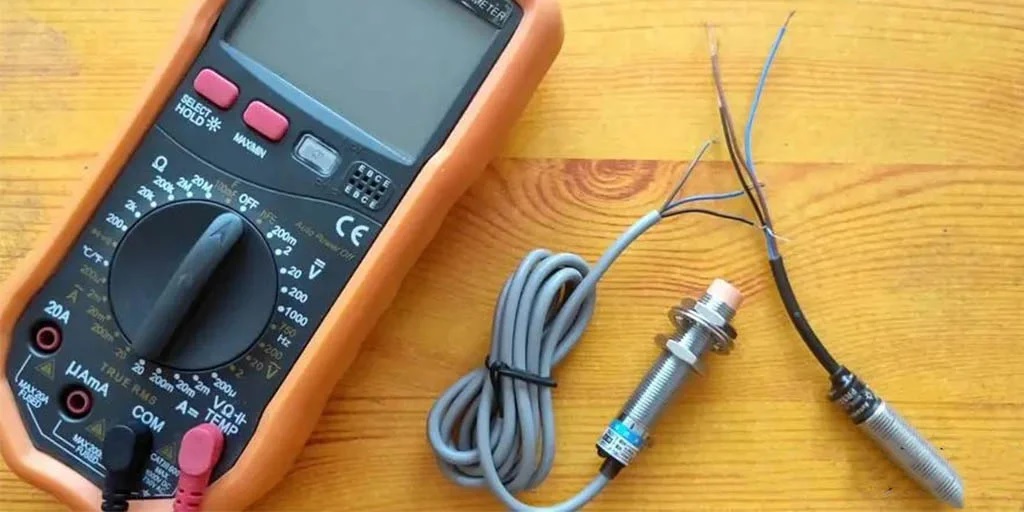
Learning proximity sensor test enhances skills in automation engineering projects

Learning proximity sensor testing is a fundamental part of modern automation engineering education, helping learners understand real-world sensing systems and their applications in industrial environments.

It builds strong technical awareness and prepares engineers to work confidently with automated systems that require precise detection and control mechanisms. Technicians troubleshoot proximity sensor not working issues efficiently.

Importance of Proximity Sensor Testing in Automation Engineering

Understanding proximity sensor testing improves the ability to design, implement, and maintain automated systems that rely on accurate object detection and position monitoring.

It strengthens foundational engineering knowledge and supports the development of reliable automation workflows.

Key Skills Developed Through Proximity Sensor Testing

  • Calibration and signal interpretation
  • Troubleshooting sensor errors
  • Integration into control systems
  • Data accuracy validation

Practical Learning Outcomes in Automation Projects

Hands-on experience with proximity sensor testing allows engineers to bridge theoretical knowledge with practical application, improving system reliability and operational efficiency.

This practical exposure builds confidence in handling industrial automation challenges.

Benefits in Real-World Automation Systems

Proximity sensor testing skills contribute to safer operations, reduced downtime, and enhanced responsiveness in automated industrial environments.

They ensure smoother performance across complex systems and improve production stability.

Why Proximity Sensor Testing Matters in Modern Automation

Proximity sensors play a crucial role in detecting the presence or absence of objects without physical contact, making them essential in automated manufacturing, robotics, and process control systems.

Testing these sensors helps engineers ensure accuracy, reduce errors, and maintain consistency across different operational environments and working conditions.

Advanced Skills Gained from Sensor Testing Practice

  • Signal calibration techniques
  • Fault detection in automation systems
  • System integration troubleshooting
  • Performance optimization methods

Regular practice of proximity sensor testing builds analytical thinking and problem-solving abilities that are highly valued in automation engineering careers.

Best Practices for Effective Sensor Testing

  • Maintain proper alignment during testing procedures
  • Use controlled environments for accurate results
  • Record and analyze sensor response data regularly
  • Verify system integration after each calibration step

Following structured testing practices ensures consistent performance and enhances reliability in automated systems used across industries.

Career Advantages of Sensor Testing Expertise

Professionals with strong knowledge of proximity sensor testing often have better opportunities in automation engineering roles, as organizations value precise diagnostic and maintenance skills.

This expertise supports continuous improvement in industrial systems, enabling smoother workflows and more efficient production processes.

Future Scope of Proximity Sensor Testing Skills

As automation technologies evolve, the demand for accurate sensor testing and validation skills continues to grow across multiple engineering domains.

Learners who develop these skills early gain a strong foundation for working with advanced automated systems and intelligent control technologies.

Summary of Key Learning Benefits

Learning proximity sensor testing provides a structured pathway for developing technical expertise, enhancing problem-solving ability, and strengthening overall automation engineering performance.

These competencies are essential for building reliable automated systems, improving operational efficiency, and ensuring long-term system stability in industrial environments.

With consistent practice and structured learning, engineers can significantly elevate their capability in sensor-based automation design and maintenance.

Ultimately, this skillset drives innovation and precision in modern industrial automation systems, ensuring consistent performance excellence.