
Learning proximity sensor test enhances skills in automation engineering projects
Learning proximity sensor testing is a fundamental part of modern automation engineering education, helping learners understand real-world sensing systems and their applications in industrial environments.
It builds strong technical awareness and prepares engineers to work confidently with automated systems that require precise detection and control mechanisms. Technicians troubleshoot proximity sensor not working issues efficiently.
Importance of Proximity Sensor Testing in Automation Engineering
Understanding proximity sensor testing improves the ability to design, implement, and maintain automated systems that rely on accurate object detection and position monitoring.
It strengthens foundational engineering knowledge and supports the development of reliable automation workflows.
Key Skills Developed Through Proximity Sensor Testing
- Calibration and signal interpretation
- Troubleshooting sensor errors
- Integration into control systems
- Data accuracy validation
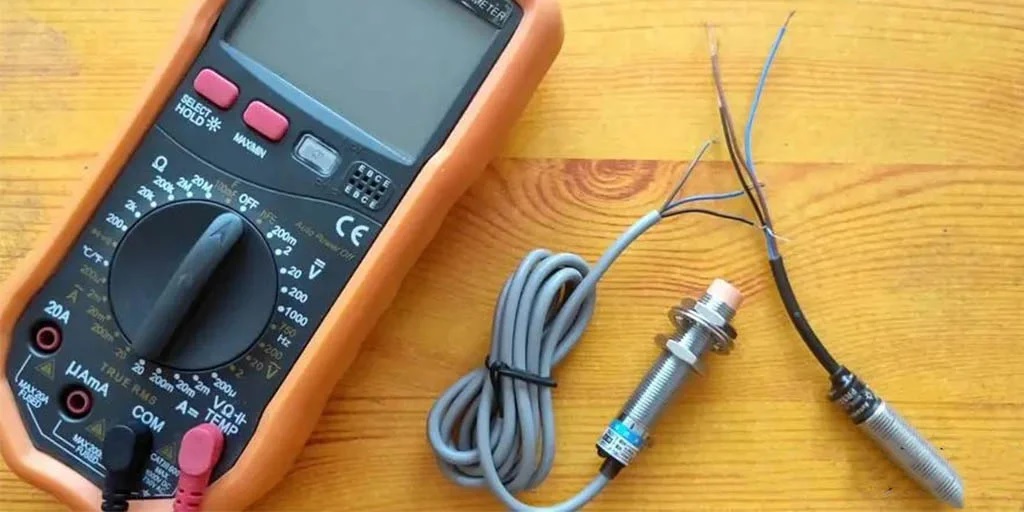
Practical Learning Outcomes in Automation Projects
Hands-on experience with proximity sensor testing allows engineers to bridge theoretical knowledge with practical application, improving system reliability and operational efficiency.
This practical exposure builds confidence in handling industrial automation challenges.
Benefits in Real-World Automation Systems
Proximity sensor testing skills contribute to safer operations, reduced downtime, and enhanced responsiveness in automated industrial environments.
They ensure smoother performance across complex systems and improve production stability.
Why Proximity Sensor Testing Matters in Modern Automation
Proximity sensors play a crucial role in detecting the presence or absence of objects without physical contact, making them essential in automated manufacturing, robotics, and process control systems.
Testing these sensors helps engineers ensure accuracy, reduce errors, and maintain consistency across different operational environments and working conditions.
Advanced Skills Gained from Sensor Testing Practice
- Signal calibration techniques
- Fault detection in automation systems
- System integration troubleshooting
- Performance optimization methods
Regular practice of proximity sensor testing builds analytical thinking and problem-solving abilities that are highly valued in automation engineering careers.
Best Practices for Effective Sensor Testing
- Maintain proper alignment during testing procedures
- Use controlled environments for accurate results
- Record and analyze sensor response data regularly
- Verify system integration after each calibration step
Following structured testing practices ensures consistent performance and enhances reliability in automated systems used across industries.
Career Advantages of Sensor Testing Expertise
Professionals with strong knowledge of proximity sensor testing often have better opportunities in automation engineering roles, as organizations value precise diagnostic and maintenance skills.
This expertise supports continuous improvement in industrial systems, enabling smoother workflows and more efficient production processes.
Future Scope of Proximity Sensor Testing Skills
As automation technologies evolve, the demand for accurate sensor testing and validation skills continues to grow across multiple engineering domains.
Learners who develop these skills early gain a strong foundation for working with advanced automated systems and intelligent control technologies.
Summary of Key Learning Benefits
Learning proximity sensor testing provides a structured pathway for developing technical expertise, enhancing problem-solving ability, and strengthening overall automation engineering performance.
These competencies are essential for building reliable automated systems, improving operational efficiency, and ensuring long-term system stability in industrial environments.
With consistent practice and structured learning, engineers can significantly elevate their capability in sensor-based automation design and maintenance.
Ultimately, this skillset drives innovation and precision in modern industrial automation systems, ensuring consistent performance excellence.
