
Comparing Features of Two Common First Aid Kit Types
First aid kits are designed to provide quick support during unexpected situations. While many kits share basic medical supplies, different types are created for different levels of care and convenience. Two of the most common options are compact everyday first aid kits and advanced emergency response kits. Understanding their features can help individuals choose the right option for personal, family, travel, or workplace needs.
Compact Everyday First Aid Kits
Compact kits are lightweight, portable, and easy to store in small spaces. They are often chosen for minor injuries and routine care needs.
Common Features
- Small and easy-to-carry design
- Organized compartments for quick access
- Basic wound care supplies
- Lightweight materials for portability
- Suitable for short trips and daily activities
Typical Contents
These kits often include:
- Adhesive bandages
- Gauze pads
- Antiseptic wipes
- Medical tape
- Small scissors
- Cotton swabs
- Disposable gloves
Main Advantages
Compact kits offer several practical benefits:
- Easy to keep in vehicles or bags
- Convenient for outdoor walks and family outings
- Helpful for treating cuts, scrapes, and small burns
- Simple organization for fast use
- Ideal for beginners with limited medical experience
Advanced Emergency Response Kits
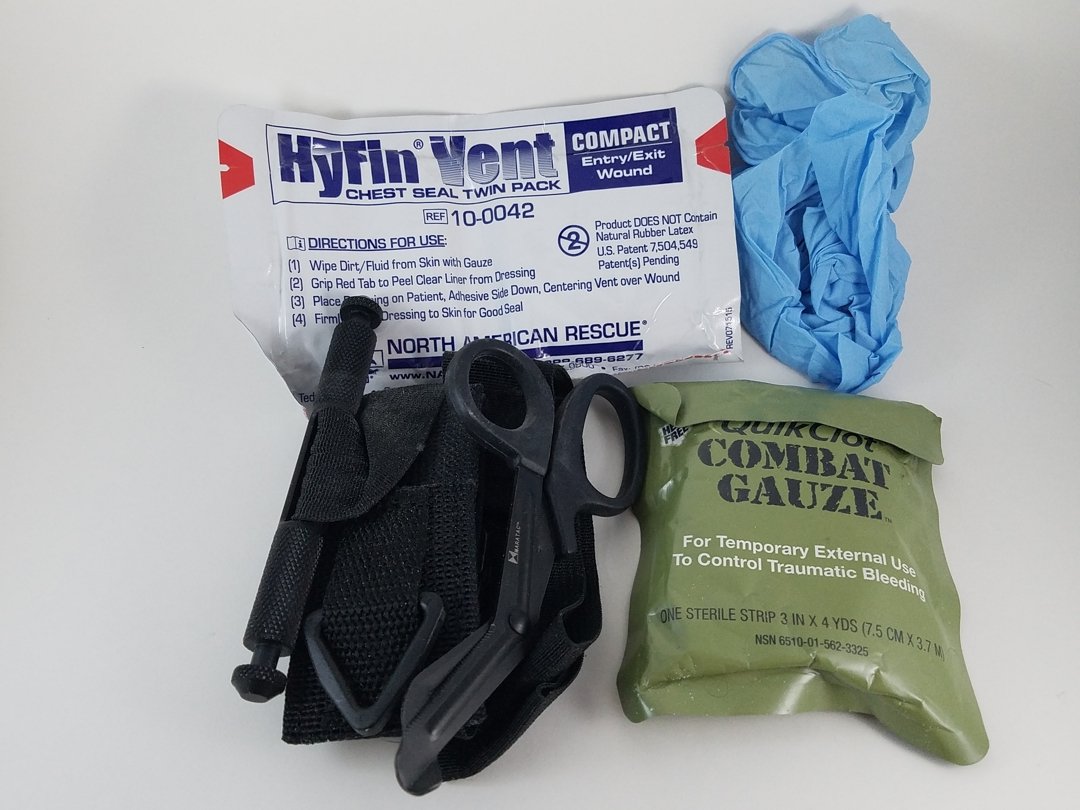
Advanced kits are designed for larger afak vs ifak emergencies and more demanding situations. They usually contain a wider range of medical tools and protective supplies.
Common Features
- Larger storage capacity
- Durable outer casing
- Multiple treatment sections
- Enhanced trauma support items
- Better preparation for extended emergencies
Typical Contents
These kits may include:
- Elastic bandages
- Emergency blankets
- Cold packs
- Splints
- Burn dressings
- Advanced wound closure materials
- Protective face shields
Main Advantages
Advanced kits provide stronger emergency readiness through:
- Expanded injury treatment options
- Better support during outdoor adventures
- Improved preparation for group activities
- Greater supply quantity for repeated use
- Enhanced organization for quick emergency response
Key Differences between the Two Types
Although both kits aim to support safety and care, they differ in several important ways.
Size and Portability
Compact kits focus on mobility and convenience. They fit easily into backpacks, drawers, and glove compartments. Advanced kits are larger because they contain additional supplies and tools.
Level of Preparedness
Everyday kits are ideal for minor incidents, while advanced kits are built for more serious situations requiring extra care and protection.
Storage Capacity
Compact versions usually have limited space and fewer medical items. Advanced options offer larger compartments and more detailed organization systems.
Supply Variety
Basic kits contain standard treatment items, while advanced kits include additional emergency resources that improve preparedness during critical moments.
Choosing the Right Option
Selecting the right first aid kit depends on lifestyle, activity level, and expected use.
A Compact Kit May Be Best For:
- Daily commuting
- Short recreational trips
- Personal household use
- Minor injury treatment
An Advanced Kit May Be Better For:
- Long outdoor activities
- Large families or group settings
- Emergency preparedness planning
- Situations requiring expanded medical support
Both compact and advanced first aid kits provide valuable protection and peace of mind. Compact kits offer simplicity, portability, and convenience for everyday use, while advanced kits deliver broader emergency readiness and more extensive treatment options. By comparing their features carefully, individuals can choose a kit that matches their routine, environment, and preparedness goals with confidence.
