
Modern Approaches To Protecting Buildings During Storms
Storms can bring powerful lightning activity that places buildings, electrical systems, and sensitive equipment under considerable stress. Modern lightning protection focuses on creating a coordinated path that manages electrical energy safely from exposed areas of a structure toward the ground. A properly planned https://lsp.global/lightning-protection-system/ can combine several protective elements to support stronger building resilience during severe weather.
Creating A Reliable Lightning Protection Structure
Effective protection begins with understanding how lightning interacts with a building. Rather than relying on a single component, modern systems use interconnected elements that work together to intercept lightning, conduct it’s current, and disperse energy safely into the earth. This approach supports both structural protection and electrical safety.
Important elements commonly include:
- Air terminals positioned at suitable points across exposed roof areas
- Down conductors that provide a controlled route toward the grounding network
- Grounding electrodes designed to transfer electrical energy into the earth
- Bonding connections that help maintain balanced electrical potential
- Surge protective devices that help manage transient electrical energy
Strengthening Roof And Exterior Protection
Rooflines, corners, elevated structures, and exposed installations can require careful consideration because they may experience direct lightning attachment. Air termination arrangements can provide designated interception points while conductors create a continuous route toward the grounding system.
Modern designs can also account for rooftop equipment, architectural features, and building extensions. Planning these elements together helps maintain continuity as structures become more complex.
Supporting Safe Energy Dissipation
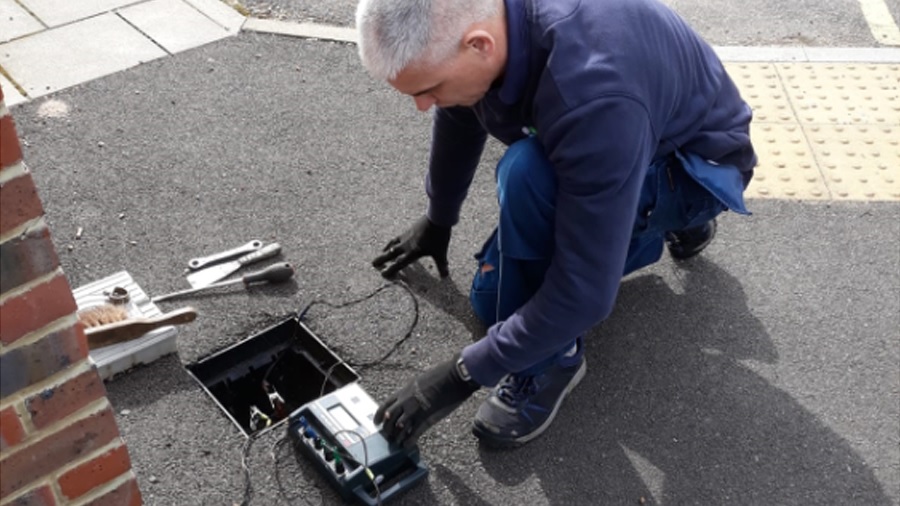
Grounding is an essential part of a complete lightning protection strategy. Once lightning current enters the protection network, it needs a suitable path into the surrounding earth. Properly arranged grounding electrodes and connections help distribute this energy while supporting the overall stability of the system.
Regular assessment can further help identify changes caused by construction, environmental conditions, or system modifications.
Managing Electrical Surges Inside Buildings
Lightning can also create transient voltage conditions that affect electrical and electronic equipment. Surge protective devices provide an additional layer by limiting excessive voltage reaching sensitive circuits.
A coordinated approach can protect:
- Electrical distribution equipment
- Communication and data systems
- Building automation controls
- Security and monitoring equipment
- Sensitive electronic devices
Building A More Resilient Storm Protection Strategy
Modern lightning protection combines external and internal measures into one coordinated safety approach. Careful design, appropriate grounding, effective bonding, suitable surge protection, and periodic inspection can work together to improve building resilience.
As buildings incorporate more electrical technology and connected equipment, comprehensive lightning protection becomes increasingly valuable. A thoughtfully designed system supports safer structures, greater equipment reliability, and improved continuity during storm conditions.
