
Quality Pneumatic Component Systems Enhance Operational Efficiency Significantly
Quality pneumatic component systems play a vital role in modern automated operations by improving efficiency, stability, and precision. Advanced technical resources such as https://www.hebaiele.com/fr/ help illustrate how optimized pneumatic designs contribute to smoother workflows and consistent mechanical performance. These systems are widely valued for their ability to enhance operational output while maintaining controlled and reliable movement across different industrial processes.
Operational Efficiency Advantages
Quality pneumatic systems improve efficiency by ensuring smooth energy transfer and responsive mechanical action. Their design supports fast and accurate operation cycles, helping systems perform with reduced delays and higher consistency.
These efficiency gains also support better synchronization between system components, allowing complex operations to be completed with fewer interruptions and improved timing accuracy.
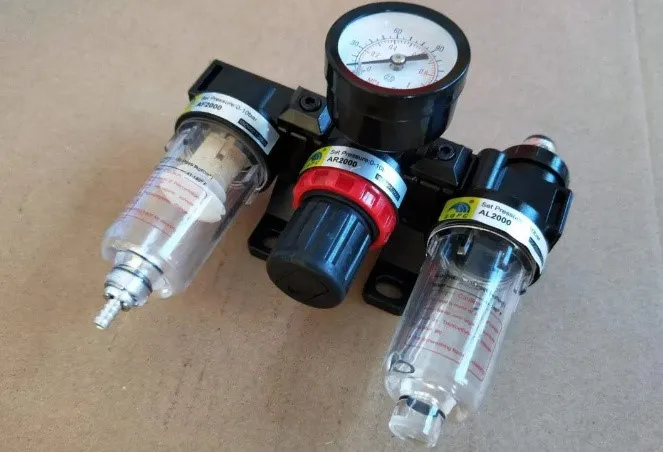
Key efficiency improvements include:
- Faster actuation cycles
- Reduced energy consumption
- Improved airflow management
- Enhanced motion precision
- Lower system resistance
- Stable operational pressure
- Reduced mechanical friction
- Optimized workflow coordination
- Improved system responsiveness
- Better load handling capacity
Reliability And Performance Stability
These systems are engineered to maintain long-term stability, even under continuous usage. Their structural integrity supports dependable performance, reducing the risk of unexpected interruptions.
Continuous performance stability ensures that industrial processes remain predictable and efficient, even in demanding operational conditions where precision and timing are critical.
Key reliability benefits include:
- Consistent operational output
- Strong resistance to wear
- Stable pressure control
- Reduced maintenance needs
- Improved system durability
- Dependable repeated cycles
- Enhanced component lifespan
- Smooth system synchronization
- Improved vibration control
System Optimization And Maintenance Efficiency
Quality pneumatic systems simplify maintenance processes and support better system optimization. Their structured design helps reduce downtime and improves overall equipment usability.
Efficient maintenance strategies supported by these systems contribute to smoother production cycles and reduced operational disruptions over extended usage periods.
Key optimization benefits include:
- Simplified maintenance routines
- Quick component replacement
- Reduced downtime periods
- Improved system monitoring
- Efficient resource utilization
- Better operational control
- Enhanced system adaptability
- Lower maintenance costs
- Faster troubleshooting processes
Conclusion
Quality pneumatic component systems significantly enhance operational efficiency by improving speed, reliability, and control. Their ability to maintain consistent performance while reducing operational strain makes them essential in modern automation environments. With optimized design and dependable functionality, these systems support long-term productivity, stable output, and improved mechanical coordination across a wide range of applications.
Additionally, the integration of high-quality pneumatic solutions supports sustainable operational improvements by reducing unnecessary energy loss and enhancing system coordination. This creates a more balanced and efficient production environment where machinery operates with greater harmony, contributing to long-term operational excellence and improved output quality across varied industrial applications. Such systems consistently drive measurable improvements in efficiency, reliability, and overall operational performance standards.
